


Composting in a City Apartment Without the Smell or the Fruit Flies
Sustainable Living | October 1, 2026
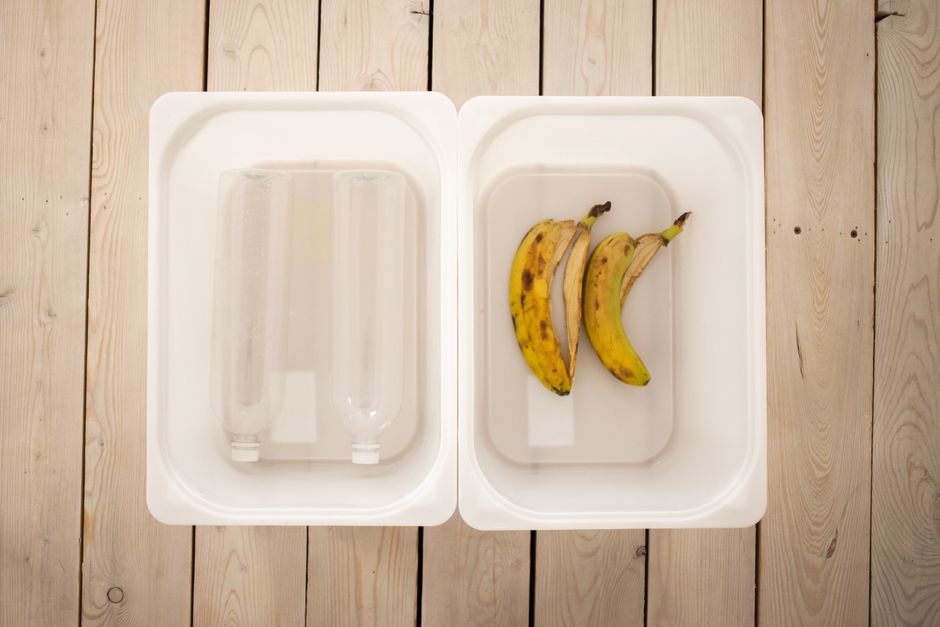
The first time I tried composting in my apartment, I made every mistake in the book. I tossed coffee grounds and banana peels into a sealed bucket, left it under the sink for two weeks, and opened it to a smell that I can only describe as a biological weapon. I gave up for a year. Then a friend showed me her setup — a simple bokashi bin on her counter, no smell, no flies, and a steady supply of compost for her houseplants — and I realized the problem was never composting itself. It was my method.
The truth is that indoor composting works beautifully when you understand what you're doing. The key is managing moisture, airflow, and the balance between nitrogen-rich "green" materials like vegetable scraps and carbon-rich "browns" like shredded paper, cardboard, or dry leaves. When that balance tips toward wet and anaerobic, you get rot and flies. When it stays balanced, you get earthy-smelling decomposition with no drama.
Three Methods That Actually Work Indoors
The simplest option is a worm bin, also called vermicomposting. Red wiggler worms live in a shallow bin filled with damp shredded newspaper, and you bury your food scraps under the bedding. The worms eat the scraps and produce castings, a nutrient-dense compost that your plants will adore. A well-maintained worm bin smells like forest floor, not garbage, and fits under a kitchen sink or in a closet. The main rules: no citrus, onions, or meat, keep the bedding as damp as a wrung-out sponge, and never let it go fully dry.
Bokashi is the fermentation method, and it's my favorite for small apartments because it handles everything — including meat, dairy, and cooked food — without smell. You layer scraps in an airtight bucket with a handful of inoculated bran, press it down, and seal it. The mix ferments rather than rots, producing a tangy, pickle-like smell when you open the lid. The catch is that bokashi produces a pre-compost that needs to be buried in soil or added to an outdoor pile to finish breaking down. If you have a balcony planter or a community garden plot, this is a perfect fit.
The third option is electric countertop composters, which dehydrate and grind food scraps into a dry, shelf-stable powder within hours. They're expensive and use electricity, but they're completely odor-free and require almost no attention. If you're squeamish about worms and lack outdoor space, this might be your answer.
Keeping It Clean and Keeping the Peace
Whichever method you choose, a few habits keep apartment composting pleasant. Store scraps in a sealed container in the freezer until you're ready to process them — this stops decomposition cold and eliminates fruit flies entirely. Line your collection bin with newspaper or a paper bag to absorb moisture. And if you share walls with neighbors, be thoughtful about where your bin lives; a closet or cabinet works fine and keeps things out of sight.
City composting programs are also expanding in many places, so check whether your municipality offers curbside food scrap pickup. Even if you don't compost at home, diverting scraps from the landfill is one of the highest-impact things an urban resident can do. But there's a particular satisfaction in closing the loop yourself — watching a week of onion skins and coffee grounds turn into something that makes your windowsill basil grow twice as fast.
-
Rain Barrels, Drip Lines, and Other Ways to Waste Less Water in Your Garden
Sep 14, 2026Urban Gardening

-

-


-

-
Composting in a City Apartment Without the Smell or the Fruit Flies
Sep 18, 2026Sustainable City Living

-

Neon Meadow

From forgotten tree pits to abandoned lots, here's how to bring life to the overlooked corners of your neighborhood — legally and thoughtfully.