
Rain Barrels, Drip Lines, and Other Ways to Waste Less Water in Your Garden
Sustainable Living | September 25, 2026
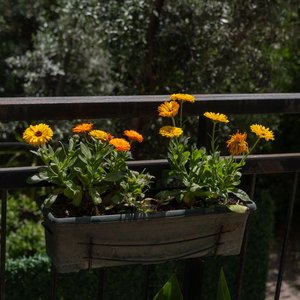
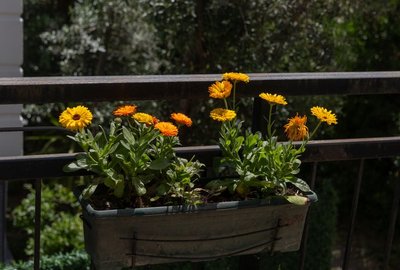
Last summer, my water bill jumped by forty percent, and I couldn't figure out why until I stood on my balcony with a hose in hand and realized I'd been watering like someone with unlimited resources. I'd spray the whole container garden until water ran out the bottom of every pot, do it again the next day, and wonder why my plants still looked stressed. Watering, I learned, is a skill, and most of us are doing it wrong.
The first principle of water-wise gardening is that plants don't need water on a schedule — they need it when the soil is actually dry. Sticking your finger an inch into the soil tells you more than any calendar. Containers dry out faster than garden beds, especially in wind and full sun, but even they don't need daily watering if you've chosen the right potting mix and pot size. Overwatering drowns roots, leaches nutrients, and wastes the resource you're trying to conserve.
Capturing What Falls From the Sky
Rain is free, and in most cities it's perfectly fine for plants. A simple rain barrel connected to a downspout can capture hundreds of gallons over a season. In an apartment, you might not have a downspout, but you can still harvest rain with a bucket on the fire escape, a tarp funneled into a storage bin, or even a few shallow trays placed under the eaves during a storm. Check your local regulations first — some states and cities restrict rain harvesting, though many have relaxed those rules in recent years.
If you have access to a community garden or a yard, installing a drip irrigation system is one of the best investments you can make. Drip lines deliver water slowly and directly to the root zone, which means less evaporation and less waste. A timer takes it further, letting you water in the early morning when temperatures are cool and plants can absorb moisture before the sun bakes it away. Soaker hoses work similarly and are easy to snake through a vegetable bed.
Mulch is the unsung hero of water conservation. A two-inch layer of straw, shredded leaves, or wood chips on top of your soil reduces evaporation dramatically and keeps roots cool. In containers, a thin layer of gravel or cocoa hulls on the surface does the same job. It looks tidy, too, which matters when your garden is visible to neighbors.
Rethinking Greywater and Repurposing
Greywater — the gently used water from sinks, showers, and laundry — can be diverted to plants, though it requires some care. Soap and detergent can harm soil life, so use biodegradable, plant-safe products if you're going to reuse the water. A simple bucket in the shower catches plenty of otherwise wasted water, and cooled pasta water or vegetable steaming water can go directly onto outdoor plants. Avoid anything with salt, bleach, or heavy grease.
Finally, choose plants that fit your climate instead of fighting it. Drought-tolerant herbs like rosemary, lavender, and thyme thrive on neglect. Native perennials, once established, need almost no supplemental water. And if you're growing vegetables, group thirsty plants together so you can water them efficiently rather than scattering them across the garden.
None of this requires expensive equipment or a major lifestyle overhaul. It just requires paying attention — to the sky, to the soil, and to the plants themselves. Water is not an infinite resource, even in a city where it seems to flow freely from the tap.


-
Seed Swaps and Tool Libraries: The Sharing Economy of City Gardening
Sep 9, 2026Small Space Gardening

-

-

-

-
Rain Barrels, Drip Lines, and Other Ways to Waste Less Water in Your Garden
Sep 10, 2026Sustainable City Living

-
From Balcony to Block: Building a Community Garden in Your Neighborhood
Sep 1, 2026Small Space Gardening

Neon Meadow

Starting a community garden is part logistics, part diplomacy, and part stubborn optimism — here's how to get one off the ground.