


From Balcony to Block: Building a Community Garden in Your Neighborhood
Community | September 22, 2026
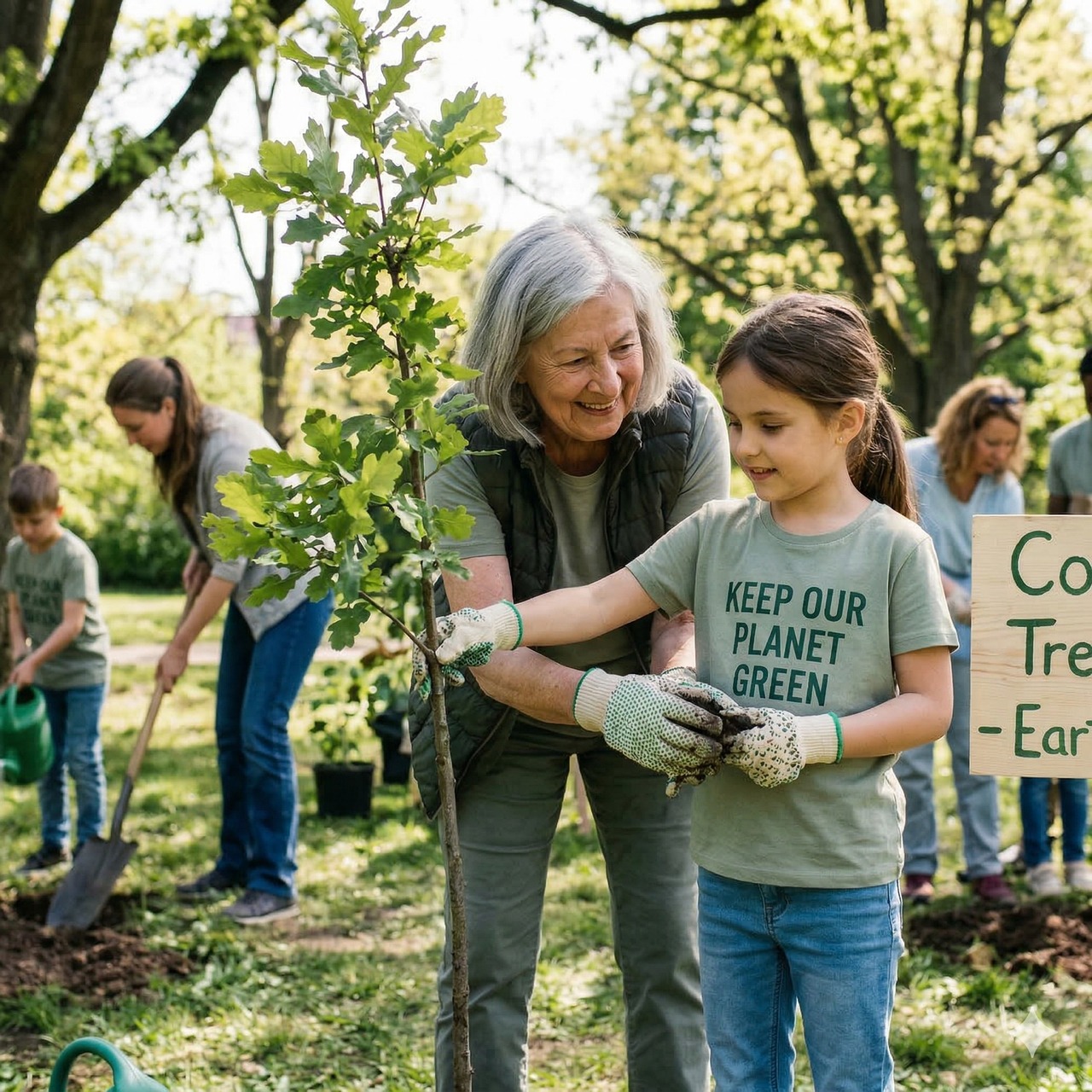
The first meeting for our neighborhood garden drew eleven people to a cramped coffee shop back room. By the end of the hour, we'd argued about whether to grow vegetables or flowers, discovered that two attendees had been feuding for years over a parking spot, and somehow emerged with a plan anyway. Six months later, we broke ground on a quarter-acre lot that had been an illegal dumping ground for a decade. It was messy, slow, and one of the most rewarding things I've ever been part of.
Community gardens are not just about growing food. They're about growing neighbors — the kind of relationships that make a city feel like a place where people know each other's names. But getting one started requires navigating a maze of land access, funding, rules, and personalities. Here's what I wish I'd known before we began.
Land, Permission, and the Paperwork Nobody Warns You About
The single biggest hurdle is finding land and getting legal access to it. Start by identifying vacant lots, underused park corners, or even flat rooftops. Your city planning department or parks agency can tell you who owns a given parcel. Many municipalities have formal programs for community gardens, sometimes with grants or long-term leases. If the land is privately owned, a lease agreement — even a handshake deal documented in writing — protects everyone involved.
Insurance is the unglamorous detail that sinks a lot of projects. Check whether your city covers community gardens under its liability policy, or whether you'll need to buy your own. This is also the point to sort out water access. A garden without a reliable water source is a garden that dies in July.
Once you have land, form a small core group and write down your rules before you plant anything. Who gets a plot? How much are dues? What happens if someone abandons their bed? How do you handle conflicts? Putting these decisions in writing early prevents resentment later. It's not the fun part, but it's the part that keeps the garden alive for years.
Building the Garden and the Community Together
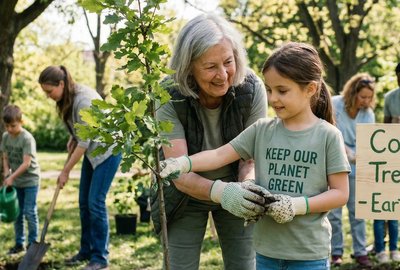
When it comes to the physical build, start small. A dozen raised beds, a shared tool shed, and a compost area are plenty for the first season. Host work days and make them social — bring food, play music, and let kids help. The people who show up to build the garden are the people who will care for it.
Fundraising can come from small grants, local businesses, or a modest membership fee. Many garden supply companies donate seeds and starts to community projects. A bake sale or plant sale in the spring can cover the cost of lumber and soil. Don't over-engineer it; the garden doesn't need to be fancy, it needs to be functional.
Inclusivity matters more than aesthetics. Make sure the garden is accessible to people with limited mobility, that signage is in the languages spoken in your neighborhood, and that plot fees don't exclude low-income residents. Some gardens reserve a portion of their beds for food bank donations, which builds enormous goodwill and connects the project to a larger purpose.
The garden we built is not perfect. Weeds win sometimes. A few plots go untended each summer. But on any given evening, you'll find someone watering, someone chatting over the fence, and a kid learning that carrots come out of the ground, not the grocery store. That's the whole point.
-

-

-
Seed Swaps and Tool Libraries: The Sharing Economy of City Gardening
Aug 31, 2026Sustainable City Living

-
The Fire Escape Harvest: Growing Food in the Smallest Urban Spaces
Sep 18, 2026Small Space Gardening

-

-

-

-
From Balcony to Block: Building a Community Garden in Your Neighborhood
Sep 5, 2026Sustainable City Living

-
Windowsill Microgreens: A Beginner's Guide to Growing Salad Indoors
Sep 6, 2026Small Space Gardening

Neon Meadow

Turn any sunny windowsill into a productive microgreens farm with just a few trays, seeds, and a spray bottle.