







The Balcony Beekeeper: What It Takes to Host Urban Honeybees
Sustainable City Living | September 16, 2026
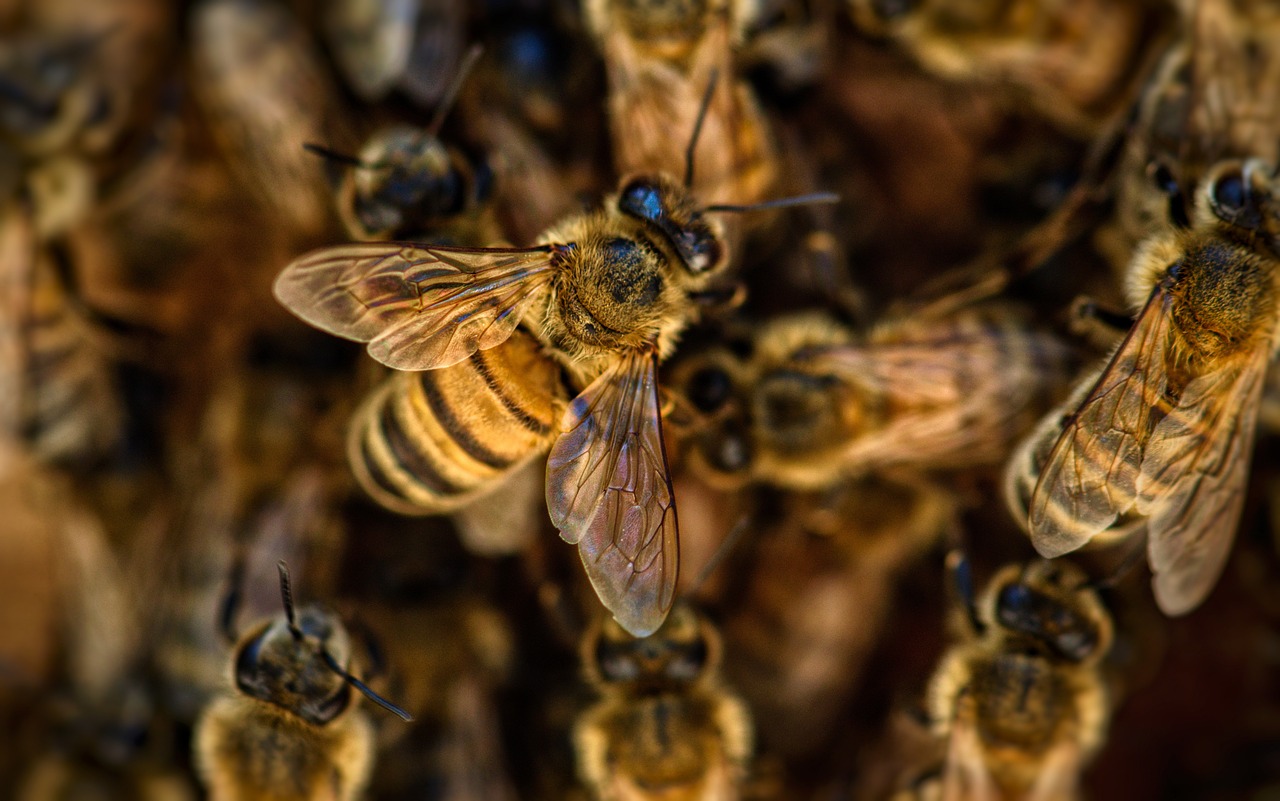
Walk through almost any gentrifying neighborhood these days and you'll spot them: brightly painted hive boxes perched on rooftops, balconies, and community garden edges. Urban beekeeping has become a symbol of environmental virtue, a way to support pollinators while producing your own honey. And it can be a genuinely wonderful practice. But before you order a nuc and a smoker, it's worth understanding what you're signing up for, both for the bees and for your neighbors.
Honeybees are livestock, not wildlife. A single colony can contain tens of thousands of individuals, and they don't stay politely within your property line. They forage across a radius of two to three miles, which in a dense city means they're visiting parks, community gardens, balcony planters, and the flowers your neighbors carefully tend. That's usually a good thing, since bees pollinate far more than they harvest. But it also means urban hives need to be managed with an eye toward the wider ecosystem, not just your own honey jar.
Checking the Rules Before You Build
The first step is almost never buying equipment. It's checking your local regulations. Many cities allow beekeeping but require registration, a permit, or a minimum distance from property lines. Some prohibit hives on balconies entirely, while others encourage rooftop hives as part of green building initiatives. Homeowners associations can be stricter than the city itself. A quick call to your local agriculture department or a search of municipal codes will save you from a costly mistake. It's also worth talking to your immediate neighbors before you install anything. A jar of honey and a heads-up goes a long way toward preventing complaints later.
Once you've cleared the legal side, think about the physical space. Hives need morning sun, protection from strong winds, and a water source nearby. In a city, that water source might be a shallow dish with stones for the bees to land on, placed on your balcony so they don't drown in neighbors' pools or clog gutters. If you're on a balcony, consider the flight path. Bees leaving a hive tend to shoot upward and outward, so placing the entrance facing a wall or a screen can lift them above head height quickly and reduce interactions with people below.
The Commitment and the Rewards
Beekeeping is not a set-it-and-forget-it hobby. Colonies need regular inspections during the warm months, especially in spring and early summer when swarming is a risk. You'll need to check for mites, disease, and queen health, and you'll need to manage hive space so the colony doesn't outgrow its box and decide to move into a neighbor's chimney. A good local beekeeping association is invaluable here. Mentors can show you what a healthy brood pattern looks like, help you spot problems early, and lend you equipment before you commit to buying everything new.
The rewards, when it goes well, are substantial. There's nothing quite like harvesting honey that tastes of your own neighborhood, with notes of linden trees, clover, and whatever else is blooming within flight range. And urban hives do provide real pollinator support, though it's worth remembering that native bees and other wild pollinators often need habitat more than they need more honeybees. Plant native flowers, leave some untidy corners, and your hive will be part of a healthier city rather than a replacement for its wild inhabitants.
-

-

-
Composting in a City Apartment Without the Smell or the Fruit Flies
Sep 8, 2026Sustainable City Living

-

-
Rain Barrels, Drip Lines, and Other Ways to Waste Less Water in Your Garden
Sep 18, 2026Sustainable Living

-


Neon Meadow

Green onions, lettuce, and celery can come back to life in a glass of water, giving you free harvests from kitchen scraps.