

The Fire Escape Harvest: Growing Food in the Smallest Urban Spaces
Small Space Gardening | October 4, 2026
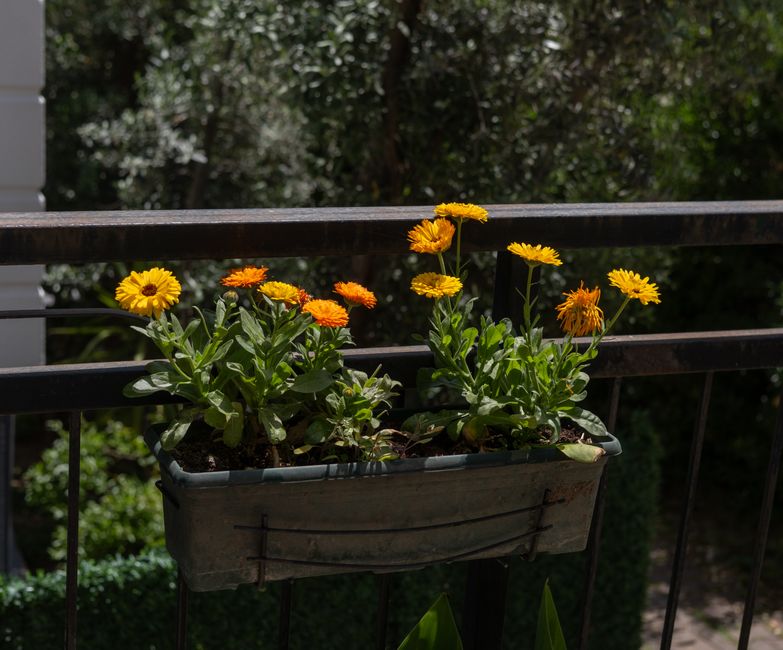
When I moved into my fourth-floor walkup, the only outdoor space I had was a fire escape barely wide enough for two folding chairs. I figured my gardening dreams were dead until I realized that some of the most productive growing spaces in the world are measured in square feet, not acres. City dwellers have been growing food in tight quarters for centuries, and with a little planning, your sliver of outdoor space can produce more than you'd expect.
The first thing to understand is that container growing is fundamentally different from in-ground gardening. Your plants are entirely dependent on you for water and nutrients, and the container itself acts as a heat sink that can cook roots on a sunny afternoon. Choose pots that are larger than you think you need — a tomato plant that would sprawl three feet in garden soil needs at least a five-gallon container to thrive on a balcony. Terracotta looks lovely but dries out fast; glazed ceramic, fabric grow bags, and even food-grade plastic buckets retain moisture far better in windy, exposed urban conditions.
Choosing Crops That Pull Their Weight
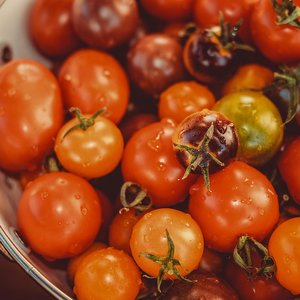
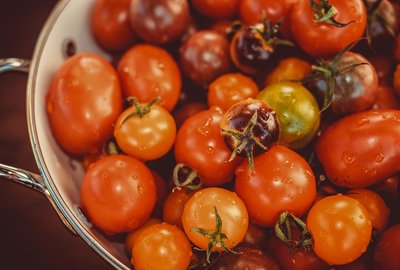
Not every vegetable makes sense when space is at a premium. I learned this the hard way after dedicating an entire season to corn, which produced four sad ears and blocked light from everything behind it. The best small-space crops are either expensive to buy, quick to mature, or continuously productive. Loose-leaf lettuce, arugula, and spinach can be harvested leaf by leaf for months from a single window box. Herbs like basil, mint, and chives cost a fortune at the grocery store and thrive in six-inch pots. Cherry tomatoes and determinate bush varieties outperform full-size tomatoes in containers by a wide margin. And if you have a vertical surface, climbing beans and peas can turn a bare wall into a green curtain that feeds you through the summer.
Root vegetables are trickier but not impossible. Radishes mature in under a month, which makes them perfect for impatient gardeners, and carrots can work in deep containers if you choose short varieties like Paris Market. Avoid anything that needs deep, undisturbed soil — parsnips and full-size carrots will end up stunted and twisted.
Water, Weight, and Neighbors
Two practical concerns dominate fire escape and balcony gardening: weight and water. Wet soil is heavy, and older buildings were not designed with loaded planters in mind. Distribute weight along load-bearing walls rather than cantilevering pots off the edge, and consider lightweight potting mixes that use perlite or coconut coir instead of dense garden soil. As for water, hand-watering twice a day in July is realistic for containers, so set up a simple drip irrigation timer if you travel or work long hours. A saucer under each pot catches runoff and keeps your downstairs neighbor from filing complaints.
Speaking of neighbors, check your building's rules before you haul fifty pounds of soil up four flights. Many cities have regulations about objects on fire escapes, and some landlords are stricter than others. Once you're clear on the rules, though, there's something quietly revolutionary about stepping outside in the morning, snipping a handful of basil for your eggs, and watching your building's most useless square footage turn into dinner.
-

-

-
Windowsill Microgreens: A Beginner's Guide to Growing Salad Indoors
Sep 14, 2026Sustainable City Living


-

-
The Fire Escape Harvest: Growing Food in the Smallest Urban Spaces
Sep 22, 2026Sustainable City Living

-
Composting in a City Apartment Without the Smell or the Fruit Flies
Sep 20, 2026Small Space Gardening

Neon Meadow
You don't need a backyard to turn kitchen scraps into black gold — here's how to compost indoors without odors, pests, or landlord problems.