






From Scrap to Soil: Regrowing Vegetables on Your Kitchen Counter
Urban Gardening | September 13, 2026

The first time you watch a green onion regrow from its discarded root end, it feels like a small miracle. You put the white base in a glass of water, set it on the windowsill, and a few days later there's a fresh green shoot pushing upward. It's not a trick. Many vegetables carry enough stored energy in their roots, bases, or seeds to send up new growth, and with a little attention, you can turn your kitchen scraps into a rotating supply of fresh herbs and greens.
This isn't about replacing your grocery shopping. It's about squeezing extra value out of what you already buy, reducing waste, and staying connected to the growing process even if you don't have a garden. It's also a wonderful way to get kids interested in where food comes from. The setup is almost absurdly simple: a few jars, some water, a sunny windowsill, and the parts of vegetables you'd normally toss.
The Best Candidates for Regrowing
Green onions are the classic starter. Save the bottom inch or two with the roots attached, place them upright in a small glass with just enough water to cover the roots, and change the water every couple of days. New green tops will appear within a week. You can harvest them with scissors and they'll keep producing for several rounds before the flavor fades and you should start fresh. Celery and romaine lettuce work the same way. Cut the base about two inches from the bottom, set it in a shallow dish of water, and watch the center begin to sprout new leaves. These won't form a full head, but the tender inner leaves are perfect for salads and sandwiches.
Leeks, fennel, and bok choy also regrow from their bases, and carrot tops will produce a flush of feathery greens that taste faintly of carrot and make a lovely garnish or pesto ingredient. Herbs are another rewarding option. Basil and mint cuttings will root in a glass of water in a week or two, and once roots are an inch or two long, you can pot them in soil and keep them going indefinitely. Rosemary and thyme are slower and prefer to be started in soil directly, but they're worth the patience.
Moving from Water to Soil
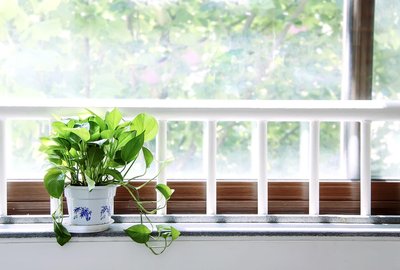
Water alone can only take a plant so far. The shoots you get from a jar of water are drawing on the stored energy in the original root or base, and eventually that runs out. To keep plants producing, transfer them to a small pot of potting mix once roots have formed or new growth is well underway. Keep the soil consistently moist but not soggy, and give the plants as much light as your windowsill offers. A diluted liquid fertilizer every couple of weeks will help them thrive indoors, where soil nutrients get used up quickly.
Not everything works, and that's fine. Some scraps rot instead of sprouting, especially if the water isn't changed often enough or the room is too warm. Consider it an experiment. The point isn't perfect self-sufficiency. It's the daily pleasure of noticing a new leaf unfurling while you're waiting for the kettle to boil, and the quiet satisfaction of knowing that your kitchen is, in its own small way, a growing space.
-

-

-
The Guerrilla Gardener's Guide to Greening Neglected City Spaces
Sep 14, 2026Sustainable City Living

-
Rain Barrels, Drip Lines, and Other Ways to Waste Less Water in Your Garden
Sep 8, 2026Small Space Gardening

-
From Balcony to Block: Building a Community Garden in Your Neighborhood
Sep 18, 2026Sustainable Living

-

-

-
From Scrap to Soil: Regrowing Vegetables on Your Kitchen Counter
Sep 27, 2026Sustainable City Living

-

Neon Meadow

Cities run hotter than their surroundings, but a few strategic choices on your own building can help cool things down.