




Cool Roofs and Climbing Vines: Beating the Urban Heat Island
Sustainable City Living | September 10, 2026
If you've ever walked barefoot across a city sidewalk in July, you've felt the urban heat island in action. Concrete, asphalt, and dark rooftops absorb sunlight all day and release it slowly into the night, keeping cities several degrees warmer than nearby rural areas. The effect is more than uncomfortable. It drives up energy bills, worsens air quality, and makes heat waves genuinely dangerous for vulnerable neighbors. The good news is that the same qualities that create the problem, all that hard, sun-baked surface, can be reworked to help solve it.
You don't need to own a building or command a construction crew to make a difference. Renters, homeowners, and building managers all have options, from the simple to the ambitious. The key is to interrupt the cycle of absorption and re-radiation, either by reflecting sunlight away, shading surfaces, or replacing bare roofs and walls with living material that cools the air through evaporation.
Starting Small: Shade, Color, and Container Vines
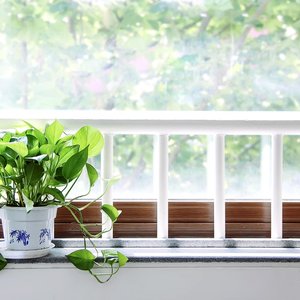
The easiest place to begin is with shade. A single well-placed tree or a trellis of climbing vines can drop the temperature of a wall or window by several degrees. On balconies and fire escapes, annual vines like morning glory, scarlet runner bean, and climbing nasturtium grow quickly from seed and create a living curtain that blocks direct sun. They also provide habitat for pollinators and, in the case of beans and nasturtiums, something to eat. If you have a flat roof or terrace, shade cloth stretched over a seating area can make an unusable space pleasant again.
Color matters too. Dark roofs and walls absorb far more heat than light ones. If you have any control over paint or roofing material, choosing a light, reflective color is one of the cheapest cooling measures available. Some cities even offer rebates for reflective roofing. For renters, a simple fix is to place light-colored rugs, shade sails, or even reflective emergency blankets over sun-exposed surfaces, though check with your landlord before making anything permanent.
Going Further: Green Roofs and Living Walls
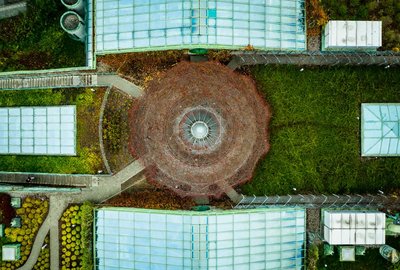
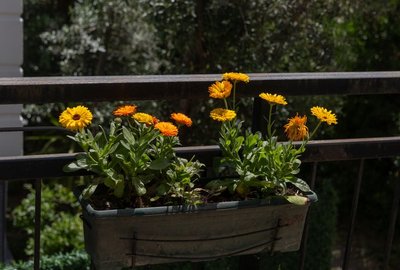
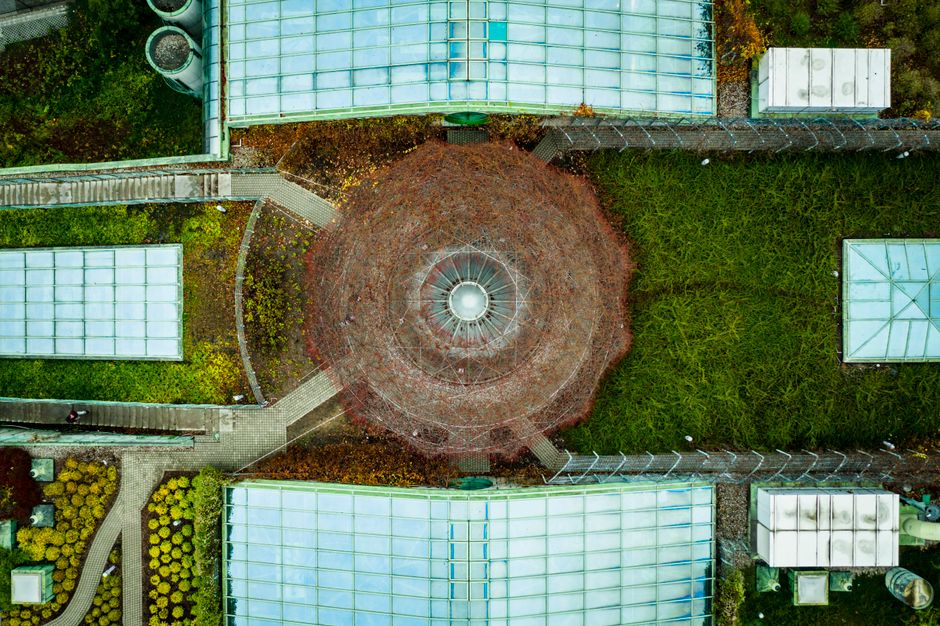
Green roofs are the gold standard for cooling buildings. A layer of soil and plants on a roof insulates the building, reflects sunlight, and cools the surrounding air through transpiration. They also manage stormwater, extend the life of the roof membrane, and create habitat for birds and insects. Installing one is a significant project that usually requires a structural assessment and professional help, but many cities now have incentive programs and consultants who specialize in exactly this. If a full green roof isn't possible, even a few large containers of drought-tolerant plants on a flat roof can provide some benefit and a lot of beauty.
Living walls work on the same principle, covering vertical surfaces with plants in modular panels or felt pockets. They're striking and effective, though they need irrigation and maintenance. For most people, a simpler version, a trellis with climbing plants in pots at the base, captures much of the cooling benefit with a fraction of the cost and complexity. Whatever route you take, the cumulative effect matters. One shaded balcony won't change a city's climate, but a neighborhood of them will. Heat islands are made of millions of small decisions, and they can be unmade the same way.
-

-

-
Rain Barrels, Drip Lines, and Other Ways to Waste Less Water in Your Garden
Sep 10, 2026Sustainable City Living

-
From Balcony to Block: Building a Community Garden in Your Neighborhood
Sep 22, 2026Small Space Gardening

-

-

-

-

-
Seed Swaps and Tool Libraries: The Sharing Economy of City Gardening
Sep 19, 2026Small Space Gardening

Neon Meadow

You don't need to buy everything new to garden in the city. Sharing seeds, tools, and knowledge makes growing cheaper and more social.